How Do Bodybuilding Divisions Work?
How Do Bodybuilding Divisions Work?
Two competitors can step onto the same bodybuilding stage with very different physiques—and both can be exactly what the judges are looking for.
That is because bodybuilding is divided into categories designed to reward different combinations of muscularity, shape, symmetry, conditioning and presentation. Men's Physique is not simply an easier version of Bodybuilding. Bikini is not simply Figure with less muscle. Classic Physique, Wellness, Women's Physique and the other categories each have their own intended look.
Then there is another layer that causes plenty of confusion for first-time competitors: category, division and class do not always mean the same thing.
A competitor might enter Men's Classic Physique as his category, compete in the Novice division, and then be placed into a particular height class. Another athlete might compete in Bikini, Open, Class B.
Once you understand those layers, bodybuilding competitions become much easier to follow—and choosing where you belong becomes much easier too.
Category, Division and Class: What's the Difference?
People often use the word “division” to describe Bikini, Wellness, Classic Physique and similar categories. In casual conversation, that usually works.
Official competition terminology can be more specific, and it varies somewhat by organization.
A useful way to think about it is:
Category = the type of physique being judged
Examples include Men's Bodybuilding, Classic Physique, Men's Physique, Bikini, Wellness and Figure.
Division = who you are competing against based on experience, age or another eligibility requirement
Examples can include Debut, True Novice, Novice, Masters and Open.
Class = a smaller group within that competition, often separated by height or weight
For example, a large Bikini Open division may be separated into several height classes.
This distinction is particularly clear in the OCB. The natural bodybuilding organization currently offers seven amateur physique categories: Bikini, Wellness, Figure and Women's Physique for women, and Bodybuilding, Classic Physique and Men's Physique for men. Competitors then enter eligible divisions such as Novice, Masters or Open.
NPC and NPC Worldwide competition structures differ in some details and offer additional categories. Current NPC Worldwide rules include Men's Bodybuilding, Men's Classic Physique, Men's Physique, Women's Bodybuilding, Fitness, Figure, Bikini, Women's Physique, Wellness and Fit Model.
This is why you should always check the terminology and rules of the organization you actually plan to compete in.
Men's Bodybuilding: The Most Muscular Look
Traditional Men's Bodybuilding places the greatest emphasis on overall muscular development.
Competitors are judged across the entire physique. Size matters, but simply being the biggest person onstage does not guarantee a win. Proportion, symmetry, conditioning and the ability to display the physique through mandatory poses all matter.
This is the category associated with the traditional bodybuilding poses most people recognize: front and back double biceps, side chest, lat spreads and other muscularity poses.
For someone trying to decide between the men's categories, think of Bodybuilding as the option where maximum overall muscular development is most central to the competitive look.
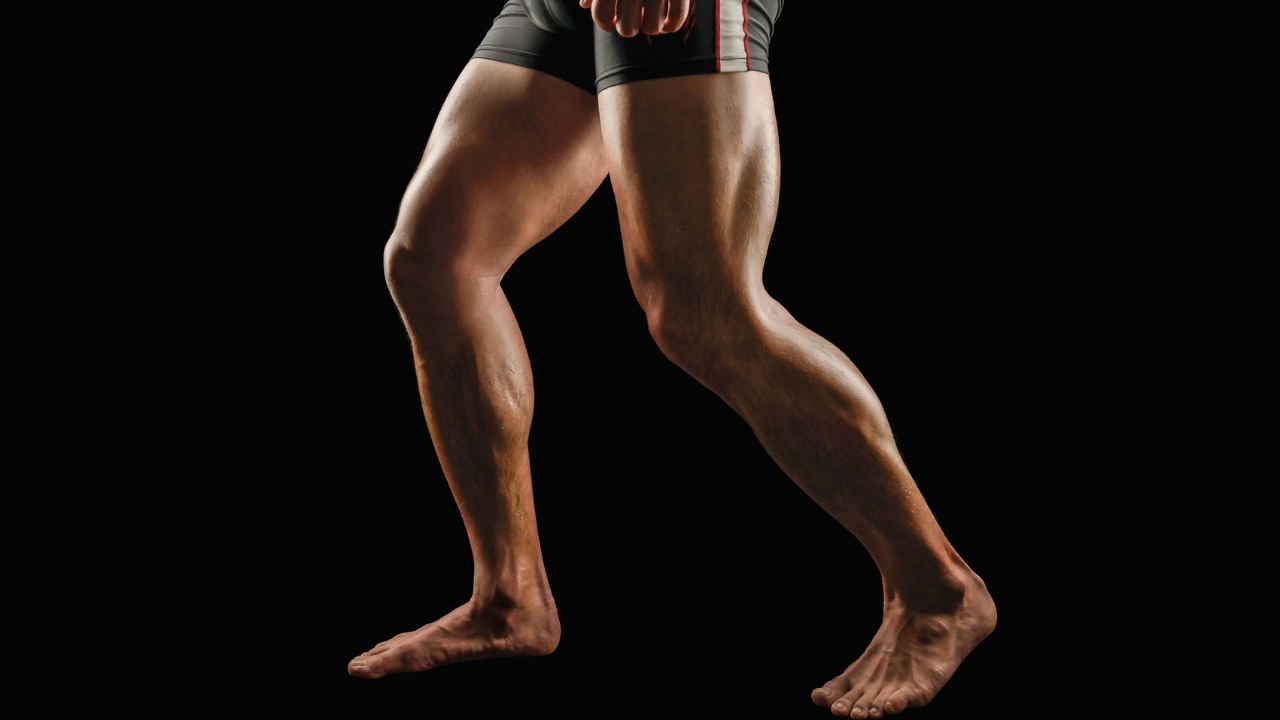
It also places the legs fully on display, unlike Men's Physique, where competitors traditionally wear board shorts.
Bodybuilding itself can then be separated into weight classes depending on the organization and competition.
Classic Physique: Muscularity With a Different Emphasis
Classic Physique sits between traditional Bodybuilding and Men's Physique, but describing it simply as “somewhere in the middle” misses what makes the category different.
The goal is a distinctly classic shape.
That means muscularity combined with proportion, symmetry, a smaller-looking waist and an aesthetic balance between the upper and lower body.
The OCB's current Classic Physique judging criteria illustrate the distinction well: symmetry and proportion take precedence over sheer size, and competitors should not display the same extreme level of hardness or striation expected in Men's Bodybuilding.
NPC Worldwide also treats Classic Physique as its own category with specific rules, including height-based maximum weight limits.
That last point is particularly important.
Classic Physique isn't simply a competitor deciding to look “classic.” Depending on the federation, your height may affect how much you are permitted to weigh when you compete.
The posing is different too. Classic posing gives competitors opportunities to show lines and shapes that are central to the identity of the category.
If you are deciding between Bodybuilding and Classic Physique, don't make the decision based solely on how much muscle you currently carry. Look at your structure, proportions, legs, waist, overall shape and the actual judging criteria of your federation.
Men's Physique: Upper-Body Shape, Proportion and Presentation
Men's Physique creates a noticeably different silhouette.
The emphasis is on a lean, muscular upper body, broad shoulders, a narrow waist and a strong V-taper rather than the overall mass expected in Bodybuilding.
The OCB, for example, describes the desired Men's Physique look as muscular, lean and V-tapered while specifically cautioning against the extreme size and leanness associated with Classic Physique and Bodybuilding. Its criteria also place less emphasis on leg development than on the upper body.
Presentation differs as well.
Men's Physique competitors do not perform the same mandatory bodybuilding poses as traditional bodybuilders. The style of posing and clothing is specific to the category.
This is one reason choosing a category early matters. You are not simply changing the amount of muscle you need. You may be changing what the judges want to see and how you need to present it.
Bikini: Shape, Balance and Presentation
Bikini is sometimes misunderstood as the category requiring the least preparation because it calls for less muscularity than some other women's categories.
That is not how judging works.
Bikini has its own target look. Judges assess the physique according to criteria specific to Bikini rather than asking which competitor looks closest to Figure or Women's Physique.
The desired balance of muscularity, shape and conditioning is different. More muscle or harder conditioning does not automatically mean a better Bikini physique.
Presentation is also a major component.
Posing requirements differ significantly from categories such as Figure and Women's Physique. In the OCB, for example, Bikini is the only category in which competitors perform walks to the front and rear of the stage as part of the category's presentation.
For a first-time competitor, this is an important lesson:
More is not always better in judged physique competition.
The goal is not to become as muscular or as lean as possible. The goal is to present the physique the judges are asking for in your chosen category.
Wellness: More Lower-Body Development
Wellness was created around a different balance of muscular development.
The defining feature is proportionally greater development through the lower body—particularly the glutes, hips and thighs—compared with the upper body.
That does not mean the upper body is ignored. The entire physique still needs to look balanced within the standards of Wellness.
Current NPC criteria, for example, call for developed glutes, some hamstring/glute separation, a conditioned core and some shoulder development while warning against the muscular density and separation associated with Figure.
That distinction helps explain why Bikini and Wellness should not be viewed as interchangeable.
A competitor whose natural structure and muscular development strongly favor the lower body may be better suited to Wellness than Bikini—but that decision should still be based on the actual federation criteria rather than body type alone.
Figure: More Muscularity and a Different Shape
Figure moves toward greater muscular development than Bikini while maintaining a distinct look from Women's Physique and Women's Bodybuilding.
Shape, symmetry, balance and muscular development matter, as does conditioning. But again, the appropriate level is category-specific.
NPC Worldwide's current Figure criteria call for a degree of muscularity and separation without visible striations, along with shapely lines, firmness, overall appearance and stage presentation.
Figure posing also allows judges to assess the physique differently from Bikini.
This matters because someone can have an excellent competitive physique and still be better suited to one category than another. A competitor who has developed more shoulder and back muscularity, for example, may fit Figure criteria better than Bikini criteria.
The question isn't simply:
“Am I muscular enough?”
It is:
“Does my overall physique match what this category rewards?”
Women's Physique and Women's Bodybuilding: Greater Muscular Development
Women's Physique and Women's Bodybuilding move further toward muscularity and conditioning.
Women's Physique rewards substantially developed muscle while still placing importance on symmetry, shape, proportion and presentation.
Women's Bodybuilding allows for still greater overall muscular development.
Not every federation offers exactly the same women's categories. This is one of the clearest examples of why competitors should start with a federation rather than assuming every bodybuilding show has an identical structure.
OCB amateur competition, for example, currently offers Women's Physique but not Women's Bodybuilding as one of its seven categories. NPC Worldwide lists both Women's Physique and Women's Bodybuilding, as well as additional categories including Fitness and Fit Model.
If you are interested in either category, look at the federation's current judging criteria and recent competitions rather than relying on a generic description of what a women's bodybuilding physique “should” look like.
What Do Novice, Debut, Masters and Open Mean?
Once you've chosen your physique category, you may still have another decision to make.
Which division should you enter?
This is where labels such as Debut, True Novice, Novice, Masters and Open appear.
They tell you something about who is eligible to compete against whom, rather than what type of physique is being judged.
Debut or True Novice
These are intended for competitors with little or no previous competition experience, but the definitions are federation-specific.
For example, OCB currently defines its Debut division as a competitor's first competition ever, including competitions held by other organizations.
Do not assume another federation's “True Novice” rule means exactly the same thing.
Novice
Novice sounds as though it simply means “new competitor,” but eligibility can be more complicated.
In the OCB, current Novice eligibility generally excludes competitors who have previously placed first in a class, subject to specified exceptions.
That means someone could have competed before and still qualify as a Novice.
Always check the actual rule before registering.
Masters
Masters divisions group eligible competitors by age.
The age thresholds vary by organization, category and sometimes competition. A show may offer more than one Masters age group.
Masters does not mean beginner.
A Masters competitor may have years of competition experience.
Open
Open is generally the unrestricted competitive division for athletes who otherwise meet the category and event requirements.
This is where the strongest field may be found, although the actual level of competition obviously varies from show to show.
Depending on federation rules and eligibility, an athlete may sometimes enter more than one division within the same physique category.
OCB, for example, allows competitors to cross over among eligible divisions within their chosen category, while not allowing them to enter multiple physique categories at the same show.
And Then There Are Classes
Suppose 30 competitors enter Bikini Open.
Having all 30 judged as one enormous group may not be practical. The division can therefore be broken into classes.
Depending on the federation and category, classes may be determined by:
-
Height
-
Weight
-
Age
-
Another competition-specific classification
This is another area where the rules vary.
OCB says that when enough competitors enter a division, promoters can create classes by dividing athletes according to height; OCB does not use weight classes.
NPC Worldwide uses category-specific class structures. Its current rules, for example, publish height classes for Bikini and height/weight limits for Classic Physique.
This can produce a competition structure that initially looks more complicated than it really is.
Imagine a competitor entering:
Bikini → Open → Class B
“Bikini” tells you the physique criteria.
“Open” tells you the competitive division.
“Class B” tells you which subgroup of Open competitors she will initially be compared against.
That's the basic hierarchy.
How Do You Know Which Bodybuilding Category Is Right for You?
Do not choose solely according to which category appears easiest to enter.
None of them is easy at a competitive level.
Instead, compare your physique with the actual criteria.
Look at:
Your structure.
Shoulder width, waist, hip structure, limb length and overall proportions influence how a physique presents.
Your current muscular development.
Some categories require considerably more muscle than others.
Where you carry that muscle.
Wellness, for example, deliberately rewards a different upper-to-lower-body balance than Figure.
Your preferred presentation style.
Posing varies substantially between categories.
Your long-term goal.
The category that fits you today may not necessarily be the category you want to develop toward over several years.
Then look at real competitions.
Study recent competitors from the same federation you intend to enter. More importantly, read that federation's judging criteria.
Social media can distort expectations because the most famous professional competitors are not necessarily representative of what judges expect from a first-time amateur.
If you are still unsure, this is an excellent reason to consult a Contest Prep Coach or Posing Coach who has current experience with your federation.
Ask them a specific question:
Which category best matches my physique now, and what would I need to change to be competitive in it?
That is much more useful than simply asking, “What division should I do?”
Your Division Changes How You Prepare
Choosing your category isn't just paperwork you complete when registering for the show.
It affects the preparation itself.
Your category influences:
-
The physique you are trying to present
-
How much muscular development is appropriate
-
The level and type of conditioning judges expect
-
Which areas of the physique receive particular emphasis
-
Your required poses
-
How you practice presentation
-
Competition attire
-
Potential height or weight requirements
-
What judges compare when you are onstage
That is why division selection belongs near the beginning of a competition plan.
If you train and prepare toward one look and then decide shortly before the show that another category suits you better, you may have spent months preparing for the wrong judging standard.
Posing is particularly category-specific.
A Posing Coach who understands your federation and category can teach you how the judges expect to see the physique rather than simply teaching generic stage presentation.
Don't Choose Your Division From a Single Photo
There is one final trap worth avoiding.
It is very easy to find a professional competitor on Instagram, compare yourself with that person and decide that you either “belong” or “don't belong” in a category.
That comparison is not particularly useful.
Professional physiques represent the highest level of the sport. Photographs also do not show exactly what judges see during comparisons, how a competitor moves through mandatory poses, or how the physique looks beside other athletes under stage lighting.
Instead, use three things together:
-
The official judging criteria for your federation
-
Recent amateur competitors in the category
-
An honest assessment of your own structure and development
If those still leave you unsure, get experienced feedback before committing to a show.
The important thing is not finding the supposedly easiest division.
It is finding the category whose criteria give your physique the best opportunity to be judged for what it actually does well.
Once you know that, the next decisions—how to prepare, what to improve, how to pose and which competition to enter—become much clearer.